Mental Health Therapy in Indiana
Therapists in Indiana
Why you're seeing this
Therapy.com is free to use. Some therapists and practices pay us when you book through their profile. That never affects whether a therapist is verified, and it never changes their license or credentials.
Filters

Katherine Georgeoff Mohr

Zachariah Crooks
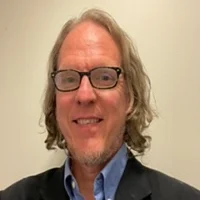
Jonathan Rosengren

Betty Laird
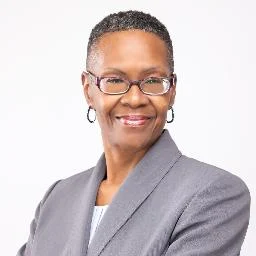
Lynnette Thomas
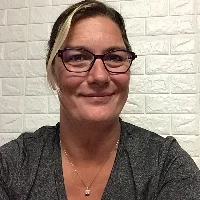
Sara Veldhuizen

Thomas Buckner

Arthur Hastings
Maria Wilson

Nicole Bebiak
Mental Health in Indiana
If you live in Indiana, chances are that you know several people who are affected by mental illness. About 1 in 5 adults in Indiana have a mental health condition, according to the National Alliance on Mental Illness or NAMI. That’s just over 1.1 million people. Teenagers are affected at high rates too, with about 90,000 teenagers living with depression.
The good news is that Indiana has slightly better rates when it comes to getting people treatment for their mental health. According to data from the Bureau of Health Workforce, Indiana is currently meeting 31.1% of the need for mental health professionals, which is slightly higher than the US’s average rate of 27.7%.
Still, with 31% of the need met, there’s much more that can be done to make sure that anyone who needs mental health care can get treatment. The state is making changes to improve this, including joining a Medicaid program to expand access to mental health care and make care more affordable.
Free Mental Health Resources in Indiana