Mental Health Therapy in Mississippi
Therapists in Mississippi
Why you're seeing this
Therapy.com is free to use. Some therapists and practices pay us when you book through their profile. That never affects whether a therapist is verified, and it never changes their license or credentials.
Filters
Teresa Worthy
Kimala Flowers

Roslyn Smith
Jessica Willis
Mary Griffith
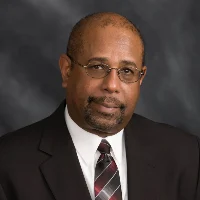
Dr. Ricardo Gillispie, PhD, LCSW
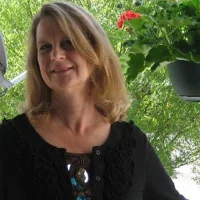
Susan Jentoft
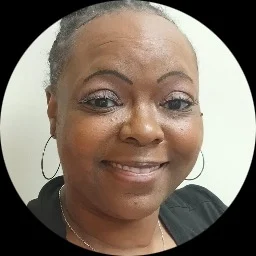
Jennifer Mckinzie

Lowell Wallace

Lindsey Vining
Mental Health in Mississippi
In 2024, the Mississippi State Senate Study Group found that 72,000 people across the state visit Community Mental Health Centers (CMHCs) each year. Of those, about 23,000 are under 18 years old. There are currently 125 mental health providers in the state, and 11 are designated as CMHCs while the rest are private practices.
While these resources are available, data shows that more than 30% of adults in the state who experience frequent mental distress avoid seeing a doctor due to the high cost.
To help reduce this barrier, the state has mobilized crisis response teams in all 82 counties, staffed by mental health professionals who are available around the clock to provide emergency community-based services.
Government leaders are also taking a stand to help the youngest population access the critical mental health care they need, investing nearly $39 million to expand these services to low- and moderate-income families with children and young adults.
Free Mental Health Resources in Mississippi