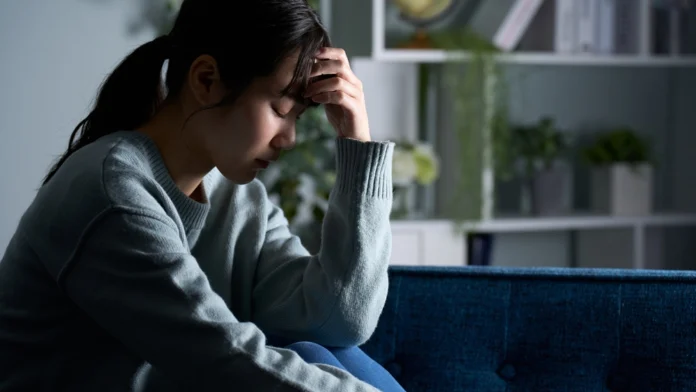
Physical abuse isn’t always easy to recognize, but understanding the warning signs and patterns can help you take steps toward safety. Therapy offers a safe, supportive environment where you can process your experiences, rebuild a sense of security and begin planning a path forward.
What Is Physical Abuse
Physical abuse occurs when someone deliberately uses force to hurt or control you. This includes hitting, slapping, pushing, shoving, choking, burning, or using objects to cause injury.
It can also be subtle, like restraining you or threatening violence. Abuse may leave visible injuries, but it can also cause unseen harm, such as chronic pain, stress, or fear.1
Signs of Physical Abuse
Signs of physical abuse can show up in many ways, some obvious and some more subtle. They often include:1,2
- Visible injuries, such as bruises, cuts, burns, broken bones, or scratches.
- Threats of violence, like statements or actions meant to scare you.
- Intimidation and control, in which fear is used to manipulate you.
- Behavioral changes that make you feel anxious or fearful.
Recognizing the signs of domestic violence is important — it helps you understand that what is happening is not normal and may put your safety at risk.
Patterns of Abuse
Patterns of physical abuse often follow a cycle where tension builds, an abusive incident occurs, and then a “honeymoon” period follows. A honeymoon period typically includes the abuser apologizing, making excuses, or acting charming to keep you from leaving.
The patterns of abuse may look like:3
- Escalation: It might start with smaller actions and gradually become more severe or happen more often.
- Control and intimidation: The person may use fear, threats, or their physical presence to control your choices, movements, or independence.
- Blame and denial: They might deny what happened, minimize it, or shift the blame onto you.
- Isolation: You may feel pulled away from friends, family, or support systems.
Emotional Impact of Physical Abuse
The psychological impact of physical abuse may lead to constant fear or anxiety, especially if the situation feels unpredictable or unsafe.
Feelings of shame, humiliation, or being controlled can harm your sense of dignity and self-worth. This can cause stress to build up in both your mind and body, leaving you feeling overwhelmed or on edge. Abuse can also affect your trust and confidence, making it hard to feel safe in relationships.4
If you are experiencing these effects, trauma therapy offers a structured path toward rebuilding safety and self-trust.
Why Leaving Can Be Difficult
Leaving an abusive relationship can be extremely difficult for many reasons. Emotional attachment to the abuser, especially when abuse is mixed with moments of kindness or affection, can create confusion and hope that things will change.
Fear is also a major factor, as you might worry about your safety, your children, or how the abuser might react.5
Barriers such as financial dependence, lack of housing, or a limited support system can make leaving feel impossible.
Isolation, self-doubt, and shame often intensify these challenges, leaving you questioning your judgment or blaming yourself.5
Understanding trauma bonding, the strong emotional attachment that can develop in abusive relationships, can help make sense of why leaving feels so hard, even when you know the relationship is harmful.
How Therapy Can Help Survivors
Therapy can help you heal after physical abuse by giving you a safe space to process what you have been through. Approaches like Cognitive Behavioral Therapy (CBT) can help you challenge negative thoughts, reduce anxiety, and regain a sense of control, while trauma-focused therapies can ease symptoms of Post-Traumatic Stress Disorder (PTSD).6
Therapy can also help you rebuild self-esteem, set boundaries, and work through feelings like shame or humiliation. With the right support, you can begin to feel safer, stronger, and more grounded.6
Domestic violence and abuse programs connect survivors with therapists who specialize in trauma-informed care and safety planning.
Safety Planning
Safety planning is about creating a practical, personalized plan to help you stay as safe as possible if you are experiencing abuse or thinking about leaving.
A plan might include identifying safe places you can go, keeping important documents and essentials accessible, having a code word with someone you trust, and a plan for how to leave quickly if needed. It is about thinking ahead so you can act more safely in stressful or dangerous situations.7
Get Help Today
Getting help is an important part of that plan. This can include reaching out to a trusted friend, family member, therapist, or local support organization.
If you want additional support, the National Domestic Violence Hotline (1-800-799-SAFE / 1-800-799-7233, or text “START” to 88788) is available 24/7 to offer confidential guidance, safety planning help, and resources.
You can also contact one of our team members, who can connect you with the right support in your community.
Frequently Asked Questions (FAQs)
Physical abuse is any intentional act that causes bodily harm, injury, or fear. This can include hitting, slapping, punching, kicking, choking, burning, biting, scratching, or forcing someone into harmful activities. Threats of physical harm are also considered abuse, especially when they create fear or are used for control.
Yes. Pushing or grabbing someone in a way that causes harm, fear, or loss of control is considered physical abuse. These actions are still abusive because they can intimidate, threaten, or hurt you.
People stay in physically abusive relationships for many reasons, including fear, emotional attachment, financial dependence, shame, guilt, children, and practical challenges. You might fear further harm if you leave, feel emotionally dependent on the abuser, or remain hopeful that the abuse will stop.
To leave safely, make a plan: identify a safe place, pack essentials like ID and money, and tell a trusted friend or family member. Avoid leaving alone if possible, and contact local authorities or a domestic violence hotline for guidance.
Yes. Therapy can help you process trauma, reduce fear and anxiety, and rebuild a sense of safety and self-worth. It also provides a safe space to explore emotions like shame, guilt, and anger, and helps you develop coping skills to move forward.
- What is Trauma Bonding? Recognizing the Cycle of Abuse
- Domestic Violence and Abuse Programs
- Complex PTSD (C-PTSD) Explained
- Understanding Cognitive Behavioral Therapy (CBT)
References
- U.S. Department of Health and Human Services. Physical Abuse. womenshealth.gov. Published 2025. Accessed April 7, 2026. https://womenshealth.gov/relationships-and-safety/other-types/physical-abuse
- Khan A, Akram M. Understanding and addressing intimate partner violence: a comprehensive review. Philos Ethics Humanit Med. 2025;20(1):43. https://doi.org/10.1186/s13010-025-00175-1. Accessed April 7, 2026.
- Domestic Violence Coordinating Council Delaware. Dynamics of Domestic Violence. dvcc.delaware.gov. Accessed April 8, 2026. https://dvcc.delaware.gov/background-purpose/dynamics-domestic-abuse/
- Wessells MG, Kostelny K. The Psychosocial Impacts of Intimate Partner Violence against Women in LMIC Contexts: Toward a Holistic Approach. Int J Environ Res Public Health. 2022;19(21):14488. https://doi.org/10.3390/ijerph192114488. Accessed April 8, 2026.
- National Center for Health Research. Why Doesn’t She Just Leave? Barriers to Getting Out of Abusive Relationships. center4research.org. Published 2026. Accessed April 8, 2026. https://www.center4research.org/why-doesnt-she-leave-abusive-relationship/
- American Psychiatric Association. Treating Women Who Have Experienced Intimate Partner Violence. psychiatry.org. Published 2019. Accessed April 8, 2026. https://www.psychiatry.org/File%20Library/Psychiatrists/Cultural-Competency/IPV-Guide/APA-Guide-to-IPV-Among-Women.pdf
- U.S. Department of Health and Human Services Office on Women’s Health. Leaving an Abusive Relationship. womenshealth.gov. Published 2025. Accessed April 8, 2026. https://womenshealth.gov/relationships-and-safety/domestic-violence/leaving-abusive-relationship