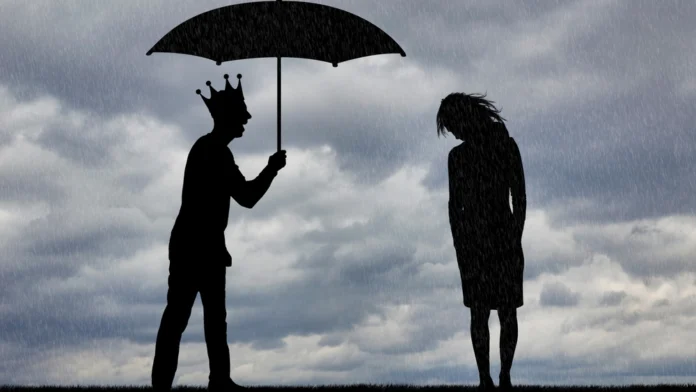
Narcissistic abuse is a form of emotional and psychological harm that can be hard to recognize. Being able to identify the signs, patterns and cycle of abuse and its impact can help you begin the process of healing.
What Is Narcissistic Abuse?
Narcissistic abuse is a form of emotional and psychological abuse you may experience from someone with strong narcissistic traits. It often involves a need for control, a lack of empathy and behaviors like manipulation, criticism or making you feel like you are the crazy one.
Over time, this can lower your self-esteem and leave you feeling inwardly and outwardly hostile, as well as dependent on the person harming you.1
Common Signs of Narcissistic Abuse
Common signs of narcissistic abuse often follow a pattern that can leave you feeling confused and off-balance. Here are some key behaviors to look for:
- Love bombing: At the beginning, you may be overwhelmed with attention, praise and affection. These feelings may be intense and exciting, but it’s often used to quickly gain your trust and emotional dependence.2
- Devaluation: Over time, the same person may begin to criticize, belittle or dismiss you. Furthermore, you might feel like you can’t do anything right, and your self-esteem may start to drop.1
- Gaslighting: You may be made to question your own reality, memories or feelings. As well, the person might deny things they said or did, making you feel confused or like you’re “overreacting.”3
- Control and manipulation: They may try to control your decisions, relationships or behavior.1,4
Recognizing narcissistic abuse signs can be an important first step toward protecting yourself and beginning to heal.
The Cycle of Narcissistic Abuse
The cycle of narcissistic abuse often follows a repeating pattern that can keep you emotionally stuck.5
First is idealization. During this time, you feel as if you are being placed on a pedestal and made to feel valued and deeply cared for.
Second, devaluation. Over time, the tone of the relationship changes. You may face criticism, blame or emotional withdrawal from your partner. This leaves you feeling confused and hurt, and always as if you need to “fix” things.
Lastly, discarding. This can often feel abrupt and deeply painful as your partner may suddenly distance themselves, end the relationship or treat you as if you don’t matter.
This cycle can repeat, as the narcissist may try pulling you back in with moments of kindness before the pattern starts again, making it harder to break away.5
How Narcissistic Abuse Affects Mental Health
Narcissistic abuse can have a deep and lasting impact on your mental health, especially over time:
- Complex PTSD: Ongoing emotional abuse can lead to symptoms like hypervigilance, emotional flashbacks, difficulty trusting others and feeling constantly on edge.6
- Anxiety: You may feel persistent worry, fear or tension, especially around making mistakes or triggering conflict. This can carry over into other areas of your life.1,7
- Loss of identity: Over time, you may lose touch with your sense of self, needs, preferences and self-esteem due to constant criticism, control or invalidation.1,7
Recognizing these effects can help you to better understand what you’re experiencing and take steps toward healing and support.
Why It’s Hard to Leave
Leaving narcissistic abuse can be especially difficult. You may have love for them even though they are abusive. Emotional patterns may keep you attached, such as:
- Trauma bonding: You may feel deeply connected to the person despite the harm they caused. The mix of pain and affection can create a strong emotional bond that’s hard to break, even when you know the narcissistic relationship is unhealthy.8
- Intermittent reinforcement: Periods of kindness, affection or love-bombing occur alongside abuse. It can be confusing. They promise to change and you want to believe them.2,9
These dynamics can make you feel unsure about how to handle your situation. They can pull you back in even when you’re trying to leave.
Narcissistic Abuse vs Healthy Relationships
Understanding the difference between narcissistic abuse and a healthy relationship can help you recognize what you deserve. Abuse by a narcissist is a sign of an unhealthy relationship, including:10
- You feel controlled, criticized or manipulated
- They disrespect you
- Your thoughts and feelings are dismissed or invalidated
- Communication feels one-sided or confusing
- You often feel anxious or change your behavior to avoid their hostility
- You feel dependent on them or that you can’t live without them
Healthy relationships look and feel different:10
- You feel respected, heard, and valued
- Communication is open, honest, and mutual
- You feel safe, supported, and able to be yourself
- You have self-esteem and confidence
- You can problem-solve in a calm, mature way
Seeing these differences can help you identify unhealthy patterns and move toward relationships built on respect, trust and stability.
How Therapy Helps Recovery
Therapy can play a key role in helping you recover from narcissistic abuse. You can regain a sense of stability and self, such as:
- Rebuilding identity: Therapy helps you get to know yourself, including your values, needs and voice.11
- Boundaries: Therapy helps you learn how to set and maintain healthy boundaries, so you can protect your time, energy and emotional well-being.11
- Trauma healing: Approaches like Cognitive Behavioral Therapy or trauma therapy (including EMDR) can help you process what you’ve been through, reduce emotional triggers and build healthier thought patterns.12
The good news is, with the right support, healing is possible. You can begin to feel more confident and in control of your life again.
Start Healing from Narcissistic Abuse Today
Recovery shouldn’t mean rushing to get over a relationship. It’s about reconnecting with who you are and learning to trust yourself again. With support, awareness and care, it’s possible to move forward into healthy relationships and a life that meets your needs.
If you’re ready to take the next step, consider reaching out to our team of professionals for guidance and help finding the right provider. You don’t have to navigate this process alone; support is available.
You Might Also Like
- What is Trauma Bonding? Recognizing the Cycle of Abuse
- Explains the emotional attachment that forms between a person and their abuser, directly extending the “Why It’s Hard to Leave” content.
- Understanding Narcissistic Personality Disorder
- Provides the clinical context behind narcissistic behaviors and strategies for setting boundaries.
- Complex PTSD (C-PTSD) Explained
- Covers the primary long-term mental health outcome discussed in this article in depth.
- Domestic Violence and Abuse Programs
- A practical next step for readers who are ready to seek professional support.
Frequently Asked Questions
Narcissistic abuse often appears as patterns that leave you feeling confused, controlled or drained. You may experience love bombing at first, followed by devaluation, gaslighting and ongoing control or manipulation.
Over time, this can impact your confidence and emotional well-being, making it important to recognize the signs and seek support.
Yes, a narcissist can change, but it’s difficult. True change requires self-awareness, motivation and consistent therapy. It is sometimes hard for a narcissist partner to see that they have a problem. If you are impacted by a narcissist, focus on protecting your boundaries rather than relying on them to change.
Narcissistic abuse is so damaging because it undermines your sense of self, using manipulation and gaslighting to make you doubt your worth and reality. This can cause anxiety, low self-esteem, trauma and trust issues, making recovery challenging.
You can recover by recognizing the abuse, setting boundaries, seeking therapy and leaning on supportive people. Recovery takes time and work, but you deserve it.
Narcissistic abuse is a form of emotional abuse, but it’s often more manipulative and controlling. It often involves gaslighting, control and lowering your self-esteem, which creates dependency, making it especially damaging.
References
- Day NJS, Townsend ML, Grenyer BFS. Pathological narcissism: An analysis of interpersonal dysfunction within intimate relationships. Personality and Mental Health. 2022;16(3):204-216. doi:10.1002/pmh.1532. Retrieved April 9, 2026 from https://pmc.ncbi.nlm.nih.gov/articles/PMC9541508/
- Beri R. A study on love bombing, narcissism, and emotional abuse among young adults in relationship and situationship. International Journal of Interdisciplinary Approaches in Psychology. 2024;2(6). Retrieved April 9, 2026 from https://www.psychopediajournals.com/index.php/ijiap/article/view/458
- National Domestic Violence Hotline. What is gaslighting. Retrieved April 9, 2026 from https://www.thehotline.org/resources/what-is-gaslighting/
- Weinberg I, Ronningstam E. Narcissistic personality disorder: Progress in understanding and treatment. Focus (American Psychiatric Publishing). 2022;20(4):368-377. doi:10.1176/appi.focus.20220052. Retrieved April 9, 2026 from https://pmc.ncbi.nlm.nih.gov/articles/PMC10187400/
- Gaum T, Herring B. Cycle of Narcissistic Abuse. 2020. Retrieved April 9, 2026 from https://static1.squarespace.com/static/5ab6c727a9e02868fa113fc4/t/5e5ab79abcd48e5c8c2859cc/1583003547074/Narcissistic+cycle+of+violence.pdf
- Dokkedahl S, Kristensen TR, Murphy S, Elklit A. The complex trauma of psychological violence: Cross-sectional findings from a cohort of four Danish women shelters. European Journal of Psychotraumatology. 2021;12(1):1863580. doi:10.1080/20008198.2020.1863580. Retrieved April 9, 2026 from https://pmc.ncbi.nlm.nih.gov/articles/PMC8725710/
- Day NJS, Townsend ML, Grenyer BFS. Living with pathological narcissism: A qualitative study. Borderline Personality Disorder and Emotion Dysregulation. 2020;7(1):19. doi:10.1186/s40479-020-00132-8. Retrieved April 9, 2026 from https://pmc.ncbi.nlm.nih.gov/articles/PMC7427292/
- National Domestic Violence Hotline. Identifying and overcoming trauma bonds. Retrieved April 9, 2026 from https://www.thehotline.org/resources/trauma-bonds-what-are-they-and-how-can-we-overcome-them/
- Florida State University. Know more: Why victims stay. Retrieved April 9, 2026 from https://knowmore.fsu.edu/helping-healing/why-victims-stay
- Youth.gov. Characteristics of healthy and unhealthy relationships. Retrieved April 9, 2026 from https://youth.gov/youth-topics/teen-dating-violence/characteristics
- Sawyer H. Mindfulness: Strategies to implement targeted self-care. Journal of Interprofessional Education & Practice. 2023;31:100614. doi:10.1016/j.xjep.2023.100614. Retrieved April 9, 2026 from https://pmc.ncbi.nlm.nih.gov/articles/PMC9924360/
- American Psychiatric Association. Treating Women Who Have Experienced Intimate Partner Violence. 2019. Retrieved April 9, 2026 from https://www.psychiatry.org/File%20Library/Psychiatrists/Cultural-Competency/IPV-Guide/APA-Guide-to-IPV-Among-Women.pdf