

Cary Damerow
- BA
- LPN
Reviewed 3 articlesContributing since 2025
About Cary
With more than 30 years of experience as an LPN, Cary holds a BA in Liberal Arts and is currently pursuing her Master’s degree with an emphasis on public health policy. Throughout her career, she has dedicated herself to improving healthcare access for both adults and children facing disparities.
Published work
What Cary has written.

What Are The Signs Of An Eating Disorder?
Eating disorder warning signs often develop gradually, shaping daily habits, emotional wellbeing and physical health long before they are obvious. Here, we outline the key…

How to Help Someone with an Eating Disorder
Supporting someone with an eating disorder requires compassionate, nonjudgmental communication, awareness of warning signs, and encouragement of specialized medical treatment. Effective support focuses on maintaining…

Social Media and Eating Disorders
Social media exposure can increase eating disorder risk by reinforcing appearance-based comparison, restrictive dieting norms, and algorithm-driven idealized body content. Learn more about vulnerable populations,…

10 Subtle Signs of High Functioning Anxiety
High functioning anxiety can look like drive, organization, and success from the outside, even while the pressure to hold it all together builds underneath. If…

Postpartum Anxiety vs. Postpartum Depression: How Therapists Help
Postpartum anxiety vs postpartum depression: the two conditions share symptoms like guilt and exhaustion, but they show up differently and call for different care. This…

Divorce: Emotional Recovery, Co-Parenting and Life After Separation
Divorce is more than just a declaration and a signed piece of paper. You experience emotional changes, including grief, uncertainty and rediscovering your identity. Divorce…

PMDD Therapy: How Treatment Helps Manage Premenstrual Dysphoric Disorder
Many women experience PMS, but those with premenstrual dysphoric disorder (PMDD) face far more severe emotional and physical symptoms that can significantly disrupt daily functioning.…

Xanax Explained: How It Works, When It Helps, and What to Watch For
An anxiety medication such as Xanax can be an effective tool for managing your condition. Learn about what Xanax is, how it works and the…

Effexor (Venlafaxine): Benefits, Side Effects, and Risks
Have you been prescribed Effexor or has your doctor brought it up as a possible treatment option? If so, what should you know about it…

Wellbutrin (Bupropion): Uses, Benefits, and Side Effectts
Just like physical health, everyone’s mental health needs are different and, sometimes, the path to mental wellness includes medications. Fortunately, there are numerous safe medications…
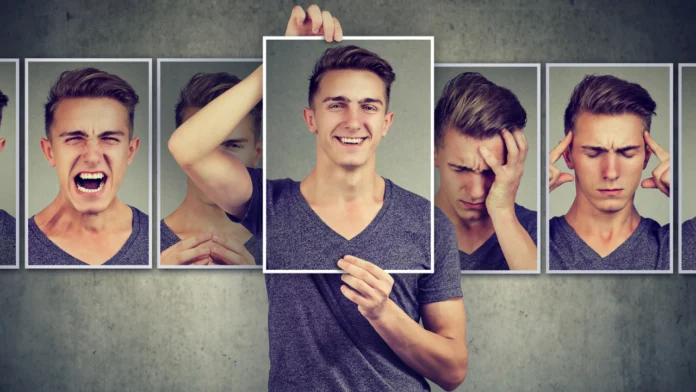
Mood Stabilizers: Uses, Benefits, and Risks
Research published in 1949 by the Australian psychiatrist John Cade was the first to recognize the usefulness of mood stabilizers in the treatment of bipolar…

Fluoxetine (Prozac) – Uses, Benefits, and Side Effects
Fluoxetine (Prozac) is an SSRI used to treat depression, anxiety, OCD, and more by boosting serotonin in the brain. It’s most effective when combined with…

Antipsychotics: Uses, Benefits, Risks and Integrated Treatment
Antipsychotics or neuroleptics are used to reduce and control psychotic symptoms by impacting certain neurotransmitters in the brain, such as dopamine, noradrenaline, acetylcholine, serotonin and…
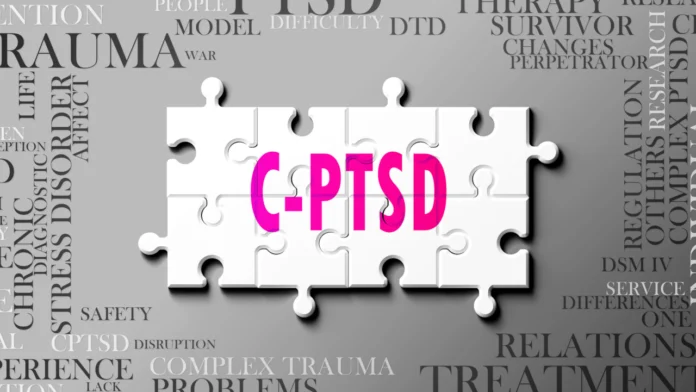
Understanding Complex PTSD: Symptoms, Causes, and Therapy
Post-traumatic stress disorder (PTSD) is a mental health condition that develops after someone has been through a traumatic event and experiences symptoms of distress because…
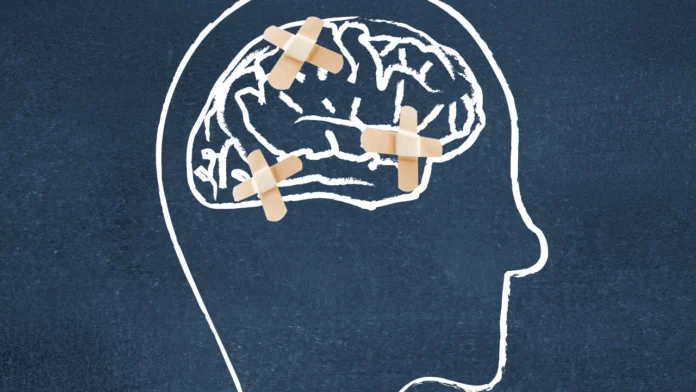
Trauma Focused Therapy: How It Can Help
Trauma therapy is a type of psychotherapy that treats someone experiencing the effects of post-traumatic stress. Safe, effective therapies teach an individual how to overcome…

Seasonal Affective Disorder (SAD): Symptoms, Causes, and Therapy
Seasonal affective disorder (SAD) is a mood disorder that typically occurs during the fall and winter seasons when there are fewer daylight hours. Various treatments…

Understanding Substance Use Disorder: How Therapy Can Help
Substance use disorder (SUD) is a complex mental health condition that affects millions of people across the U.S., often disrupting their relationships, responsibilities, and overall…

Art Therapy: A Creative Path to Healing
Here, we’ll explore how art therapy works and what to expect during a session. You’ll learn about the benefits of art therapy and who can…

Marriage Counselors: Finding the Right One
If you’re having some difficulties in your marriage or if you just want to find ways to strengthen your marriage, the first recommendation you’ll probably…
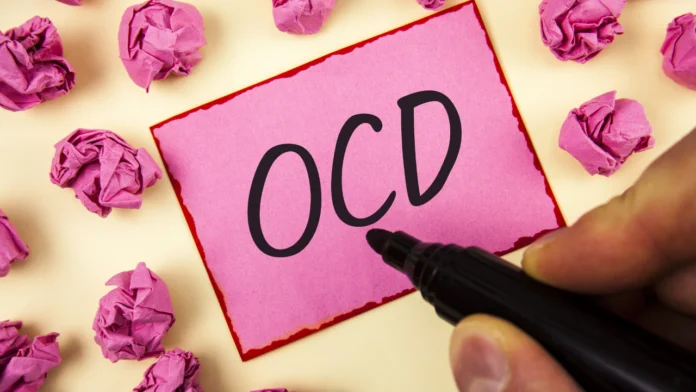
OCD (Obsessive Compulsive Disorder): Diagnosis & Treatment
Obsessive-compulsive disorder (OCD) is a mental health disorder in which someone has uncontrollable obsessive thoughts that compel them to act out repetitive and compulsive behaviors.…

What to Know About Online Therapy and How It Works
Online therapy offers convenient, flexible mental health support through video, phone, or text. Learn how it works, its benefits, costs, and how to choose the…

Exposure Therapy: How Facing Fears Heals Anxiety
Exposure therapy is a powerful, evidence-based treatment that helps individuals face and overcome fears. Learn how it treats anxiety, PTSD, and OCD through real life,…

Anxiety Disorders: Symptoms, Causes, and Treatment Options
Anxiety disorders are one of the most common mental health conditions in the United States, and getting more common every year. This guide explores the…
How we vet our experts
Nobody gets a byline here by asking for one
The same checks apply to everyone whose name appears on this site, whether they wrote the piece or signed off on it.
-
Credentials verified at source
We check every licence number against the issuing state board before a profile goes live, and we recheck it once a year.
-
Scope agreed in writing
Reviewers only sign off on subjects they actually practise in.
-
Every review is logged
The reviewer, the date, and the version are recorded on the article itself, so you can see exactly when it was last checked and by whom.