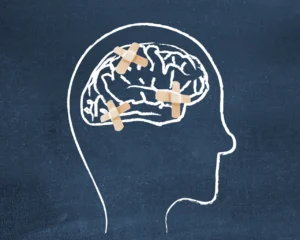
Most women have experienced the unpleasant symptoms associated with premenstrual syndrome or PMS, including bloating, headaches and breast tenderness. However, for some women, the weeks before their period can be excruciating. PMDD therapy can help.
They experience all the symptoms of PMS along with severe anxiety, depression, marked irritability and anger or extreme mood changes that are the telltale signs of premenstrual dysphoric disorder or PMDD.
Women who experience PMDD can find the relief and support they need through the use of effective treatments and evidenced based therapy that a PMDD specialist can provide.
Therapy.com is user supported. We receive a commission fee from purchases made through BetterHelp links.
Learn More
What is PMDD Therapy?
Therapy for women suffering from PMDD often includes talk therapies such as cognitive behavioral therapy (CBT), dialectical behavioral therapy (DBT) and mindfulness based practices, along with nutritional support, lifestyle changes, including sleep hygiene and exercise and in some cases medication.
Behavioral therapies help women become aware of and reframe their thoughts and behaviors by developing healthy coping skills and relaxation techniques that can ease their physical and emotional distress.
Understanding PMDD and Its Symptoms
Women with PMDD often experience a wide range of symptoms, both physical and emotional.
Symptoms typically begin between one and two weeks before menstruation and include:
- Anger or irritability
- Feeling on edge, overwhelmed or tense
- Mood swings
- Anxiety and panic attacks
- Depression and suicidal thoughts
- Fatigue or low energy
- Headaches
- Difficulty concentrating
- Changes in appetite, including food cravings or binge eating
- Insomnia
- Breast tenderness
- Bloating
Therapy that includes the use of CBT, DBT or other mindfulness practices can help women manage the symptoms of PMDD and develop coping strategies that help make the days before their period less miserable.
PMDD Therapy FAQs
PMDD therapy is the treatment of the physical and psychological symptoms that affect women in the weeks before their menstrual cycle.
It incorporates talk therapies, lifestyle changes, nutritional support and in some cases medications such as SSRIs or hormonal birth control.
While both conditions include headaches, bloating and breast tenderness, women with PMDD often experience extreme emotional responses, including severe anxiety or depression, intense mood swings, irritability or anger, difficulty concentrating and changes in sleep and appetite.
In the most severe cases, women with PMDD can also experience depression that can lead to suicidal ideation.
Women with PMDD often find that talk therapies, including cognitive behavioral therapy, dialectical behavioral therapy and mindfulness practices, help ease the symptoms of PMDD.
Yes. Along with medication, talk therapy can help women who suffer from PMDD.
By utilizing medications and therapy, you are combating both the physical and emotional causes of the symptoms.
Women who are using an SSRI during the luteal phase or an intermittent dosing strategy often see relief within days.
Other interventions, including talk therapies, can take two to three months before experiencing improvement.
Your primary care provider or women’s care specialist can refer you to resources in your area.
Therapy.com is another resource that offers an online database where you can search for a provider by state, specialty and other helpful filters to help you find the specialized care you need.
How Therapy Helps Manage PMDD
Therapy assists you in developing strategies, helping identify triggers and patterns that are related to your menstrual cycle. It can help you reframe your negative thoughts, gain emotional regulation and develop mindfulness practices that promote easing your symptoms.
Therapy can also help you make behavioral and lifestyle changes, including self care measures that support your overall well being.
Therapy.com is user supported. We receive a commission fee from purchases made through BetterHelp links.
Learn More
Evidenced Based Therapy Types for PMDD
Treatment for PMDD consists of a wide range of evidence based therapies and interventions that help ease symptoms and improve quality of life.
For some, medications including SSRIs and hormonal birth control help stabilize moods, decrease symptoms of anxiety and depression, support sleep and improve headaches, bloating and breast tenderness.
Talk therapies are another important evidenced based intervention to help women combat PMDD.
Cognitive Behavioral Therapy
Cognitive behavioral therapy or CBT, is a form of therapy that helps an individual identify and change negative thought patterns and behaviors.
Therapists help women with PMDD develop healthy coping skills that include recognizing how their emotions impact their physical wellbeing, learning ways to regulate their nervous system and incorporating stress management techniques in their daily lives.
Dialectical Behavioral Therapy
Dialectical behavioral therapy or DBT, is a form of therapy that helps you improve emotional regulation and distress tolerance.
Therapists help women to develop strategies that lessen their symptoms by identifying their triggers and understanding their emotions and establish a plan that uses opposite actions to ease their distress.
Acceptance and Commitment Therapy
Acceptance and commitment therapy or ACT helps you have a better response to negative emotions, allowing you to separate from your thoughts.
Therapists help women with PMDD to improve their psychological flexibility and recognize that their thoughts and feelings do not have to control their actions.
Combining Therapy with Other Treatments
Some women with PMDD find relief from their symptoms through medications, including SSRIs and hormonal birth control.
These medications help to stabilize hormones, including estrogen levels and neurotransmitters such as serotonin, improving symptoms by reducing extreme fluctuations in these vital regulators.
Women with PMDD can benefit from a collaborative approach to care that includes therapists, gynecologists or women’s health specialists and support groups.
This helps to ensure that you are receiving specialized care and getting the support you need from people who understand what you are going through.
What to Expect in PMDD Therapy Sessions
An initial assessment by a qualified provider is the first step toward getting the care you need for PMDD. In addition to the assessment, you collect information tracking your symptoms and how they correlate with your menstrual cycle.
Together with this information, you and your therapist look for patterns and triggers and develop an individualized treatment plan to combat the psychological and physical effects of PMDD. You set goals, monitor your progress and make changes to the plan when needed.
Finding a PMDD Therapist
Finding a therapist who understands the unique challenges that women with a diagnosis of PMDD face is an important component of long term recovery.
A therapist who specializes in PMDD can help you to manage your emotions, recognize triggers and understand how these psychological and physiological changes impact your well being.
Therapists can include licensed professional counselors, licensed clinical social workers, licensed marriage and family therapists or others who have received specialized training in women’s issues.
With the expansion of telehealth services, they often offer sessions online and in person to help make getting the help you need easier and more accessible.
Therapy.com is user supported. We receive a commission fee from purchases made through BetterHelp links.
Learn More