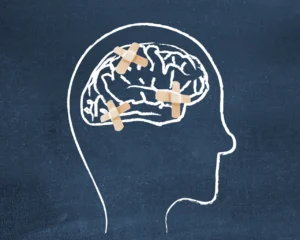
ERP therapy is a specialized form of cognitive behavioral therapy (CBT) that retrains the brain to overcome fears and compulsions. This process gradually exposes an individual to anxiety triggering situations in a safe and supportive environment to break the cycle of compulsive behavior.
ERP therapy directly addresses compulsive behaviors and the anxieties that drive them. This method is one of the most effective treatments for OCD and related anxiety disorders.
Research has shown that up to 80% of individuals who receive this type of OCD therapy experience symptom relief.
Therapy.com is user supported. We receive a commission fee from purchases made through BetterHelp links.
Learn More
What Is ERP Therapy?
ERP (exposure and response prevention) therapy is a combination of two processes. The first step helps participants face their fears.
The second helps them to overcome compulsive behaviors. Individuals learn to tolerate triggering situations without resorting to compulsions and effectively break the avoidance compulsion cycle.
The exposure part of the process involves gradually exposing the person to sensations, feelings, thoughts or situations that typically trigger anxiety and obsessive compulsive behavior.
The responsive prevention portion focuses on resisting the urge to turn to ritualistic behaviors or avoidance behaviors that have become compulsive.
The origins of this therapeutic technique can be traced back to classical conditioning practices of behaviorists in the early 1900s.
In the 1950s, behavioral scientist Joseph Wolpe developed the basis for modern ERP therapy techniques when he created systematic desensitization to help people relax during fearful situations.
In the 1970s, Stanley Robinson further specialized the technique to develop ERP therapy, which is designed to treat those experiencing obsessions and compulsions.
The goal is to retrain the brain to respond differently when exposed to the situations that previously triggered anxiety and compulsive behaviors.
How ERP Therapy Works
ERP therapy techniques involve a four step process:
- Identifying triggers and obsessions: The therapist learns about the patient’s behaviors, identifying what triggers their anxiety and compulsive behavior and what those behaviors look like.
- Exposure hierarchy: The next step is to create a list of the patient’s fears and rank them from mildest to most distressing.
- Gradual exposure: the patient starts with the least threatening situation and practices being exposed to these situations that produce anxiety, without engaging in compulsive responses. This exposure can occur through three methods:
- In vivo exposure: This live exposure places the patient in direct contact with the anxiety triggering situation.
- Imaginal exposure: This method involves visualization techniques that walk the patient through imagined scenarios.
- Virtual reality exposure: Therapists use this technology to provide a simulated environment that allows patients to face their fears in a controlled setting.
- Skill development/Response prevention: Patients learn coping mechanisms while being exposed to their fears. Together, you develop ways to manage anxiety and develop healthier ways to respond to situations. The focus is on breaking the compulsion cycle. This involves sessions with the therapist as well as eventual homework assignments to practice ERP outside of the clinician’s office to reinforce treatment.
Therapy.com is user supported. We receive a commission fee from purchases made through BetterHelp links.
Learn More
ERP Therapy Example
A client’s OCD involves compulsive handwashing stemming from a fear of contamination (germs). His hands are raw from overwashing. The obsessive behaviors have even caused him to miss important events due to the time devoted to washing his hands.
He describes his behaviors and fears to his therapist, who then helps him rank his fears from least to most disturbing. For the client, this ranged from touching a doorknob to shaking hands with someone.
Under the guidance of the therapist, the client touches items and resists the urge to wash his hands. He gradually progresses to touching an object and then touching his face, to address the fear of spreading germs.
Over time, he practices this exposure to other triggering items (both during sessions and at home) until he can shake someone’s hand without compulsively washing his hands afterwards.
ERP Therapy FAQs
ERP therapy is a form of cognitive behavioral therapy designed to help people break cycles of anxiety and compulsive responses.
It gradually exposes patients to their fears in a safe environment and trains them to respond differently to anxiety triggering situations.
ERP therapy helps people experiencing OCD break the cycle of anxiety and compulsions.
It helps them accept the distress that anxiety triggering situations cause, instead of temporarily neutralizing the feeling through habitual behavior.
ERP for OCD retrains the brain to respond differently to those situations. It works by reducing the person’s fear and helping them to stop performing the compulsion.
ERP therapy typically takes 12-20 sessions over two to three months. This can vary based on the individual’s symptoms and progress.
ERP therapy is recognized as a first line evidence based treatment for OCD. Studies have shown it can be as effective, or even more effective, than pharmacological treatments for OCD.
What to Expect in ERP Sessions
The initial ERP session will involve learning how ERP works and undergoing an assessment. The assessment will inform the therapist about your fears and compulsions and give them insight into the best course of ERP treatment to address those behaviors.
Next, you’ll collaborate with the therapist to establish and execute a plan to address your anxieties and responses and then rank them from least to greatest fears.
The therapist will gradually expose you to anxiety triggering situations during your therapy sessions. You’ll practice facing those fears and coping with them in ways other than returning to compulsive behaviors.
As you progress, you will eventually practice these exposures at home and in real life situations. This reinforces the treatment and allows you to eventually break the cycle of compulsive behavior.
You can expect to attend 12-20 sessions to complete ERP therapy. This may involve two 60-minute sessions per week for two to three months, with sessions occurring less frequently as you progress.
Therapy.com is user supported. We receive a commission fee from purchases made through BetterHelp links.
Learn More
Conditions Treated with ERP Therapy
ERP therapy is primarily used in the treatment of OCD.
However, therapists may also use ERP treatment to address other anxiety based conditions:
- OCD: ERP therapy is the first line treatment option for obsessive compulsive disorder (OCD). ERP for OCD specifically addresses compulsive behaviors, intending to break the anxiety compulsion cycle.
- Health anxiety: Also known as hypochondriasis, this disorder is characterized by fears of developing a serious illness.
- Panic disorder: Individuals experiencing panic disorder suffer from panic attacks, which are unexpected episodes of extreme anxiety or fear. Anxiety treatment, ERP, can be used to address these fears.
- Social anxiety: This is an intense fear of social situations and the potential of scrutiny or judgment.
- Phobias: These are irrational, intense fears of something, such as spiders or heights.
- BFRBs: Body focused repetitive behaviors are self grooming behaviors, such as hair pulling or skin picking, that can cause harm to the body.
Benefits and Effectiveness of ERP
ERP therapy techniques can greatly enhance a person’s quality of life by helping them to overcome irrational fears and obsessive behaviors. Therapy helps them to experience improved self confidence and can accomplish things they never thought possible.
Researchers have found that up to 80% of patients respond well to ERP and tend to have long term resolution of their symptoms. Research has also found that 89% of individuals who use medication only will experience a return of symptoms if the medication is discontinued.
ERP vs. Other Types of Therapy
How does ERP compare to other types of therapy?
While there are some similarities to other techniques, the main differentiator is in how ERP works.
- ERP vs. CBT: ERP is a specialized form of CBT that is used to treat OCD.
- Cognitive behavioral therapy is a broader term encompassing forms of therapy that focus on changing negative thoughts, beliefs, and behavior patterns.
- CBT is more thought oriented. ERP, on the other hand is behavior oriented.
- ERP vs. Exposure Therapy: The ultimate goals of ERP and Exposure therapy are different.
- Both methods expose the patient to situations that produce anxiety or fear.
- Exposure therapy aims to help the person overcome the fear of the situation.
- ERP involves the additional goal of preventing compulsive behavior when that situation occurs.
- ERP vs. ACT (Acceptance and Commitment Therapy): ERP and ACT are both types of CBT.
- The focus of ERP is to stop obsessive behaviors, while ACT focuses on mindfulness to help participants detach from emotions or thoughts that are unwanted or unpleasant.
Finding a Qualified ERP Therapist
If you or a loved one might benefit from ERP therapy techniques, you can get the support you need from a qualified ERP therapist. Your primary care provider may be able to refer you to an ERP specialist.
You can also connect with ERP therapists using Therapy.com’s extensive database of providers. This allows you to search by location, specialty, conditions treated and other helpful filters.
Therapy.com is user supported. We receive a commission fee from purchases made through BetterHelp links.
Learn More