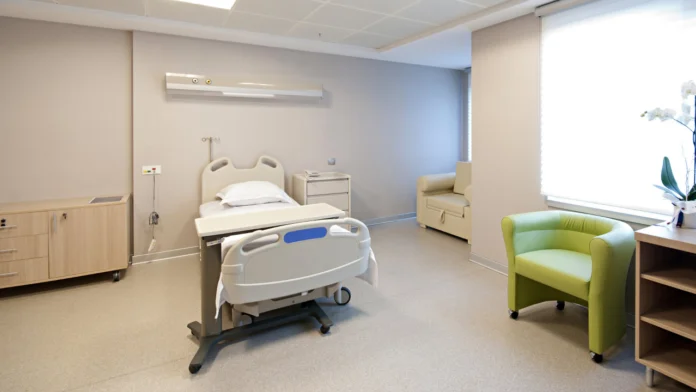
Residential Treatment Programs for Comprehensive Healing
Residential treatment provides a supportive, immersive environment for individuals who need intensive care that addresses their mental health concerns, addiction, trauma or other concerns.
Unlike outpatient therapy or weekly counseling sessions, residential mental health treatment offers 24/7 care in a structured therapeutic environment where clients live on-site and receive continuous support from trained clinicians.
This level of care is designed for individuals whose symptoms significantly interfere with daily functioning, personal relationships, employment or safety.
Residential treatment bridges the gap between outpatient care and inpatient hospitalization by offering comprehensive therapeutic services that focus on non acute medical concerns typically found in a hospital setting.
Clients benefit from routine, structure and uninterrupted therapeutic guidance, making this setting ideal for those struggling with mood disorders, trauma, substance use or chronic relapse.

Levels of Care Provided
Residential treatment programs integrate multiple therapeutic services to address each client’s diagnosis, history and personal goals. Individual therapy is a core component of treatment, providing clients with one-on-one time with a licensed clinician.
These sessions help individuals explore underlying issues, process trauma and develop healthier coping mechanisms. Therapists use evidence-based modalities such as CBT, DBT, EMDR and trauma-informed care to support long-term emotional and behavioral change.
Group therapy is another essential piece of residential therapy programs. Group sessions allow clients to connect with peers who are experiencing similar challenges, build community and reduce feelings of isolation.
Groups may cover topics such as relapse prevention, emotional regulation, communication skills, grief or self-esteem.
For many clients, medication management plays an important role in stabilizing symptoms.
Residential programs include psychiatric support from psychiatrists, psychiatric nurse practitioners or medical staff who regularly evaluate the effectiveness of the medications, adjust dosages and monitor progress.
Medication may be used to treat mood disorders, anxiety symptoms, trauma-related responses or cravings associated with substance use.
Combining medication management with therapy provides a balanced, evidence-based approach to mental health and addiction recovery programs.
Conditions Treated
Residential treatment programs are equipped to address a wide range of mental health conditions.
Mood Disorders
Many clients seek care for mood disorders, including major depressive disorder and bipolar disorder.
Through structured routines, clinical interventions and continuous support, clients learn how to manage mood instability and rebuild emotional resilience.
Trauma/PTSD
Residential mental health treatment is also highly effective for individuals struggling with trauma and PTSD. Programs that utilize trauma-informed care prioritize safety, empowerment and trust-building.
In a structured therapeutic environment, clients can work at a steady pace without external triggers interfering with progress.
Substance Use Disorders
Residential programs commonly address substance use disorders, providing detox support, relapse-prevention strategies and group counseling. These programs address both the physical and psychological components of addiction.
Clients learn how to manage cravings, identify triggers and rebuild healthier habits. Dual-diagnosis treatment is often available for individuals experiencing co-occurring mental health and addiction issues.
Eating Disorders
Clients with eating disorders may also benefit from residential treatment.
Most offer nutritional support, body-image therapy, meal monitoring and medical oversight to help individuals battling with anorexia, bulimia, binge-eating disorder or disordered eating patterns.
Because eating disorders often co-exist with other mental health concerns, such as trauma, anxiety, or perfectionism, residential care provides stabilization of both emotional and physical health.
What to Expect in a Residential Program
A typical residential program provides a highly structured daily schedule designed to promote consistency, accountability and emotional regulation.
Mornings may start with mindfulness practices, meditation or a community meeting where clients set intentions for the day.
Throughout the day, clients participate in individual therapy, group therapy, skill-based workshops, psychoeducation sessions and recreational activities.
Evenings often include reflection time, 12-step meetings, expressive arts or restorative practices, such as yoga.
The predictability and structure of a daily schedule help clients to develop new routines and healthy habits that support long-term wellness.
Residential treatment centers prioritize safety and supervision, offering 24/7 mental health care from trained staff.
Safety measures vary by facility but may include regular check-ins, monitored living spaces, medication oversight and therapeutic support available at all hours.
Family involvement is also an important part of most residential programs. Family therapy sessions help improve communication, rebuild trust and promote support for the loved one’s recovery journey.
Many programs offer educational workshops to help family members understand mental health, trauma or addiction, along with guidance on how to create a supportive environment after discharge.
Whether through scheduled visits, virtual sessions or written communication, involving family can strengthen long-term treatment success.
Benefits of Residential Treatment
Residential treatment offers support that contributes to sustained healing and improved quality of life.
These programs offer a higher success rate than less intensive programs, due in part to the structured environment and immersive care.
When clients are removed from environments that reinforce unhealthy behaviors or emotional triggers, they can focus solely on recovery in a controlled setting.
Another major benefit of residential treatment is the intensive support provided by clinical and psychiatric staff.
With access to continuous care, clients receive immediate guidance when experiencing emotional distress, cravings or an increase in symptoms that are related to their mental health condition.
This constant availability of support often accelerates progress and increases treatment retention.
Residential programs also help clients by reducing environmental triggers that may contribute to their anxiety, depression, trauma symptoms or substance use.
Stepping away from daily stressors gives clients the mental space needed to work on themselves without distraction.
Over time, in this environment, individuals regain stability, rebuild coping skills and establish healthier behavior patterns that they will use in everyday life.
How to Choose the Right Program
When selecting a residential treatment program, accreditation is one of the most important factors to consider.
Accreditation from The Joint Commission, CARF or a state behavioral health authority ensures that the facility meets high standards for safety, ethics and clinical care.
The next key consideration is staff credentials. High-quality programs employ licensed therapists, psychiatrists, nurses and support staff who have specialized training in mental health treatment, trauma care and addiction recovery.
Prospective clients should also ask the facility about staff-to-client ratios, years of experience and types of clinical training their staff has received.
The most effective residential treatment programs offer evidence-based practices such as CBT, DBT, EMDR, trauma-informed care and holistic therapies.
A program that uses a variety of therapeutic approaches helps to ensure that each client’s unique needs are met.
FAQs
Most programs last between 30 and 90 days, though some clients benefit from extended care depending on their diagnosis and progress.
Residential care offers 24/7 therapeutic support in a homelike setting, while inpatient hospitalization provides short-term medical stabilization for acute psychiatric emergencies.
Yes. Many programs incorporate family therapy, educational workshops and scheduled communication to strengthen relationships and support long-term recovery.
You should plan to bring to the facility comfortable clothing, toiletries, approved medications, identification and personal items that are permitted by the facility.
Most centers provide a detailed packing checklist of what can and can’t be brought to treatment.