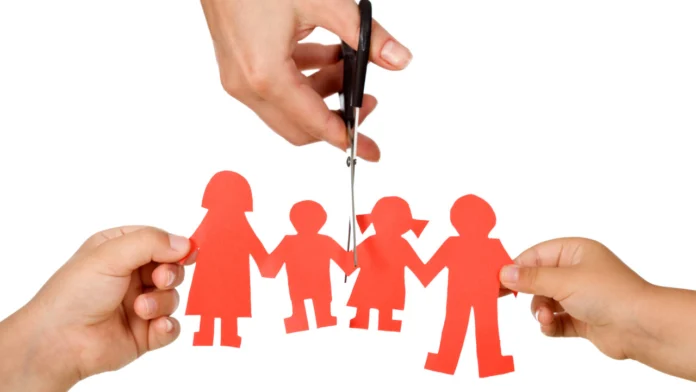
Federal data analyzed by the Pew Research Center found that approximately 41% of marriages will end in divorce within the first decade. Of these, the National Center for Family & Marriage Research found that 40-45% of those marriages included minor children.
Divorce forces us to examine our identity outside of the marriage, build new routines and learn to navigate co-parenting, all of which can be overwhelming.
With the right support, including therapy, individuals can learn strategies for emotional healing and learn to make positive changes that will lead to a happier, healthier future for everyone involved.

Moving forward after a divorce brings a mix of feelings. Navigating uncertainty and grief can make a difficult situation even more distressing. Divorce likely means you will need to make substantial changes in your daily routine, especially when children are involved.
Finances, changes in living arrangements and new responsibilities may also be sources of stress. Therapy provides a safe place where you can process these emotions, develop healthy coping skills and start to rebuild a happy, fulfilling life.
The Emotional Impact of Divorce
Even when the decision feels right, transitions during divorce can stir internal shifts that affect how you think, relate to others, and move through everyday responsibilities. Therapy offers a space to understand these changes and rebuild a stronger foundation for the future.
Divorce can trigger a range of emotions, including:
- Anger or resentment
- Sadness and loneliness
- Grief and loss
- Self blame
- Guilt
- Uncertainty and identity shifts
- Anxiety
- Emotional exhaustion
- Relief
Stages of Adjustment After Divorce
Healing from divorce is a process similar to overcoming grief.
Often, you will go through stages that include shock and denial, anger, bargaining, depression and acceptance/rebuilding. It is essential to recognize that the healing process is unique to each person and has no set rules or timeframe for completion.
Therapy can offer a safe, non judgemental space where you can express and process your emotions, move through the pain and develop coping skills that will help you to build a happy future.
Divorce and Its Effects on Children
Divorce can have a serious emotional and mental impact on children.
According to some experts, children who have experienced divorce are at an increased risk of child and adolescent adjustment problems, academic difficulties, disruptive behaviors and anxiety or depression.
Furthermore, children of divorced parents are also more likely to live in poverty. They have an increased vulnerability to engaging in risky sexual behavior and experiencing instability in future relationships.
To help reduce these potential adverse effects, parents should strive to communicate respectfully, keep conflicts away from their children and maintain consistent routines in their daily lives.
Additionally, they should focus on providing stability, security and the emotional support their children need for personal growth.
Healthy Coping Strategies for Divorce Recovery
Divorce recovery requires that you process your emotions to achieve closure and improve your mental health function, which is influenced by your emotional health.
Leaning on your support systems and finding time for self care helps support your emotional and mental health.
Some healthy coping strategies to consider include:
- Allow yourself time to process your emotions, including sadness, confusion, anger or relief
- Focus on what you can control, such as taking manageable steps to improve finances, living arrangements, communication skills and goals.
- Do not rush into making any major decisions
- Prioritize self care; focus on exercise, nutrition and mindfulness practices
- Lean on your support systems
- Limit conflict
- Set boundaries
- Establish a consistent routine
- Keep a journal or diary and practice reflective writing to help process your emotions
- Rediscover who you are by engaging in activities or hobbies you enjoy, exploring new things and setting new goals
- Seek professional help
Co-Parenting After Separation
It can be hard to co-parent with someone you couldn’t stay married to.
However, when you keep the focus on the well-being of your children, it can more easily become a priority. Seeking professional support can help parents develop the necessary skills to navigate this change.
A therapist can offer support, help you to improve your communication skills, reduce conflicts, set healthy boundaries and learn ways to regulate your emotions.
Most importantly, therapy can help parents build a collaborative mindset and find practical ways to problem solve.
Rebuilding Confidence and Identity
Divorce can negatively impact your self esteem, lower your self-confidence and question your identity. Finding clarity and self assurance is a critical step that helps you build a happier, healthier future.
Some steps you can take to help you make these changes include:
- Focusing on your physical wellbeing
- Practicing self compassion
- Setting personal goals
- Seeking support from friends, support groups or professional help
- Reconnecting or developing new interests
- Practicing self reflection
- Seek support from friends, support groups or professional help
- Allow yourself to feel all of the emotions, let yourself grieve
- Focus on your self care and well being
- Accept what you cannot change
- Develop a co parenting plan
- Learn new coping skills
- Remember that you are still a family, it’s just a new structure
- Practice self compassion and forgiveness
- Participate in activities that help you grow and learn new things
- Take a trip
- Learn ways to help regulate your nervous system, such as meditation or yoga
- Volunteer
- Take care of your finances
Navigating divorce is rarely simple, but therapeutic support can help you regain a sense of balance as you move into the next chapter of your life.
By working with a trained provider, you can better understand your internal responses and rebuild confidence in your ability to make grounded decisions.
With the right guidance, you can emerge from this transition with greater clarity and emotional resilience with a renewed sense of direction.
Divorce Recovery FAQs
According to the Holmes and Rahe Stress Scale, a tool that assigns a numerical value to the stress a person has experienced, divorce ranks as the second most stressful life event.
Additionally, divorce can cause a range of emotions, including:
•Anger or resentment
•Sadness and loneliness
•Grief and loss
•Self blame
•Guilt
•Uncertainty and identity shifts
•Anxiety
•Emotional exhaustion
•Relief
There is no set timeline to recover from divorce.
Experts believe that the time it takes to recover depends on several factors, including how long you were together, whether the divorce was a surprise, if children are involved, your personality, infidelity, socioeconomic status and others.
Seeking the support of a qualified mental health professional can be one of the most important steps you can take in divorce recovery.
Therapy provides a safe place where you can process your emotions, develop healthy coping skills, improve communication, set healthy boundaries and help overcome the challenges of co parenting.
It can involve individual, family or couples sessions that address the emotional impact divorce has on everyone involved.
Recovery from divorce is a process featuring emotional healing and self discovery.
Having self compassion and patience, leaning on support systems, rebuilding routines, practicing self care and seeking the help of a mental health professional can help you reestablish stability and a sense of control in your life.
It won’t happen overnight, but by practicing some of these coping skills and seeking professional help, you will find the happier, healthier future you deserve.