What Is Rejection Sensitivity Dysphoria?
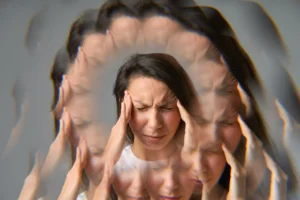
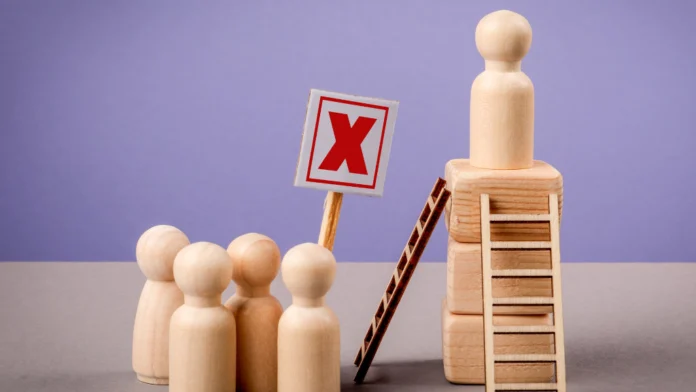
Rejection sensitivity dysphoria (RSD) is a condition where an individual acts with an over exaggerated emotional response when faced with a perceived criticism or rejection.
The causes of RSD are thought to involve neurological sensitivity and past experiences of rejection or invalidation. Treatment approaches such as therapy, mindfulness and medication can help reduce emotional intensity.
Learning how to manage rejection sensitivity can empower an individual with RSD to respond to the stressors with self compassion and resilience rather than self blame or avoidance.

Common Symptoms of RSD
Rejection Sensitivity Dysphoria (RSD) often manifests through a range of emotional and behavioral responses that can significantly impact daily life. Symptoms often seen in RSD include intense emotional outbursts or deep sadness following a perceived rejection or criticism.
They may experience heightened rejection sensitivity, constantly fearing they will disappoint others or be judged harshly.
This can lead to people pleasing, avoidance behaviors or even perfectionism in an attempt to prevent emotional rejection. It is also common to see RSD in people with attention deficit hyperactivity disorder (ADHD).
Understanding RSD helps clarify that these reactions are not personality flaws, but part of a neurological and emotional pattern.
RSD treatment that includes therapy and mindfulness can help individuals learn how to manage rejection sensitivity and develop greater emotional resilience.
Causes and Contributing Factors
Rejection Sensitivity Dysphoria (RSD) is strongly linked to ADHD, emotional dysregulation and in some cases other mental health conditions. It often arises from a combination of biological and environmental factors.
These factors may include genetic or neurobiological components, such as differences in dopamine regulation. Dopamine is the neurotransmitter that affects how the brain processes emotions and rewards.
Individuals with RSD and ADHD tend to have heightened emotional responses to perceived rejection or criticism that intensifies their rejection sensitivity. Past experiences of trauma, bullying or chronic invalidation can further reinforce these emotional patterns.
Environmental and relational factors, such as overly critical or inconsistent relationships, can also contribute to ongoing rejection sensitivity.
Understanding what RSD is and its root causes can help reduce shame and encourage compassion. The symptoms of RSD can be overwhelming.
Through treatment and learning how to manage rejection sensitivity that includes therapy, self awareness and emotional regulation, individuals can significantly improve resilience and daily functioning.
How RSD Affects Daily Life
Rejection Sensitivity Dysphoria (RSD) can profoundly influence a person’s work, relationships and overall self esteem.
Individuals with RSD often experience emotional “whiplash.” This can best be described as a rapid shift from confidence to despair after a real or perceived emotional rejection.
Even minor feedback or misunderstanding can trigger intense RSD symptoms, including shame, anger or withdrawal.
This constant fear of criticism or failure can lead to avoidance behaviors, such as turning down opportunities, isolating from loved ones, or overcompensating through people pleasing.
Many times these patterns may overlap with anxiety or depression, compounding distress and reducing quality of life.
Understanding what RSD is and recognizing it as an emotional regulation challenge rather than a personal flaw is a key first step toward getting the help you need.
Therapy, coaching and learning how to manage rejection sensitivity can help individuals regain confidence, improve emotional balance and strengthen their personal and professional connections.
Rejection Sensitivity Dysphoria FAQs
Rejection Sensitivity Dysphoria (RSD) is an intense emotional reaction to rejection, criticism or perceived failure.
RSD is often seen in people with ADHD. It can also appear in people with social anxiety, depression, autism spectrum disorder and borderline personality disorder (BPD).
No. RSD causes sudden emotional distress triggered by emotional rejection. The feeling of low self esteem is more persistent.
No. RSD diagnosis is not a formal diagnosis. It is a term used to describe a pattern of behavior and emotional responses in relation to rejection, criticism or a perceived failure.
People with ADHD often experience heightened rejection sensitivity and stronger emotional responses which can lead to the development of rejection sensitivity dysphoria.
Therapy, mindfulness and practicing self compassion can help individuals learn how to manage their rejection sensitivity. Our professionals at Therapy.com are here to help you find the help you need.
In some cases, yes. RSD treatment can help to ease symptoms, improve resilience and find emotional balance.
RSD and ADHD
Rejection Sensitivity Dysphoria (RSD) is closely linked with ADHD. They are closely linked because individuals with ADHD are more prone to intense emotional responses and rejection sensitivity.
The connection between RSD and ADHD lies in the brain’s difficulty regulating emotions and challenges with impulse control.
When faced with emotional rejection or criticism, a person with ADHD will have executive dysfunction and impulsivity that can amplify reactions, leading to outbursts, withdrawal or sudden drops in one’s self esteem.
The symptoms of RSD can mimic other mental health conditions, such as anxiety or depression.
Through a proper diagnosis, individuals with RDS can learn how to manage rejection sensitivity through therapy, mindfulness practices and improved coping strategies that help build resilience and maintain emotional balance.
Managing Rejection Sensitivity Dysphoria
Identification of negative thought patterns and triggers is key to managing RSD symptoms.
The proper tools can help an individual learn to pause before reacting to emotional rejection or criticism. Emotional regulation tools that include grounding techniques, deep breathing or cognitive reframing can also reduce RSD symptoms by helping to prevent impulsive reactions.
Setting healthy boundaries and realistic expectations in relationships also helps protect self esteem and promote emotional stability.
Professional Treatment Options
Professional support plays a key role in managing Rejection Sensitivity Dysphoria (RSD). Therapies such as cognitive behavioral therapy (CBT), dialectical behavior therapy (DBT), and acceptance and commitment therapy (ACT).
These therapies are helpful because they teach skills to challenge negative thoughts, manage emotional rejection and build resilience.
Individuals with RSD and ADHD may find that certain medications, including stimulants or SSRIs, may help stabilize mood and reduce RSD symptoms.
Furthermore, ADHD or emotional regulation coaching provides practical tools for how to manage rejection sensitivity, improve focus and build self awareness in daily interactions.
Support groups also play an important role in treating RSD. They help normalize experiences, reduce shame and provide community understanding.