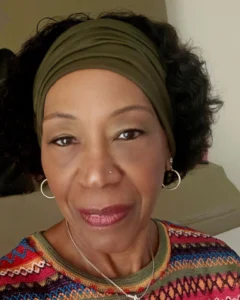
Gwendolyn Henderson
About Gwendolyn
Gwendolyn Henderson brings 26 years of extensive experience in field of Mental & Behavioral Health. She has served as an Executive Director, CEO, Vice-President and Consultant for Behavioral Health facilities. In addition, Gwen has provided services as a clinician, case manager and various other roles supporting individuals and families.
Published work
What Gwendolyn has written.
-

Do I Have An Eating Disorder Quiz
An eating disorder quiz can offer a useful snapshot of your relationship with food, body image, and control. While not diagnostic, these screenings can highlight concerning patterns and help you decide whether further support may be helpful. Continue reading to understand how these quizzes work, what the results mean, and what steps to consider next.
-

What Are The Signs Of An Eating Disorder?
Eating disorder warning signs often develop gradually, shaping daily habits, emotional wellbeing and physical health long before they are obvious. Here, we outline the key behavioral, emotional and physical patterns to recognize, and explain why early awareness can make a meaningful difference.
-

Social Media and Eating Disorders
Social media exposure can increase eating disorder risk by reinforcing appearance-based comparison, restrictive dieting norms, and algorithm-driven idealized body content. Learn more about vulnerable populations, early warning signs, and evidence-informed strategies for safer social media use and recovery support below.
-

Residential Treatment Programs for Mental Health and Recovery
Residential treatment programs offer 24/7, structured care for individuals facing mental health challenges, trauma, addiction, or co-occurring conditions in a supportive, live-in setting. Through evidence-based therapy, medication management, and routine, clients can focus fully on healing and long-term recovery. Learn more about what to expect and how to choose the right program, here.
-

Cognitive Dissonance: Understanding Inner Conflict and Emotional Tension
Cognitive dissonance refers to the psychological tension created when a person’s beliefs, values or behaviors conflict, often leading to anxiety, rationalization and efforts to restore internal consistency. Understanding its causes, effects and evidence-based strategies for resolution can support healthier self-regulation. Learn more below.
-

Rejection Sensitivity Dysphoria (RSD): Understanding the Emotional Impact of Rejection
When faced with real or imagined emotional rejection, people with RSD and ADHD may struggle with overwhelming emotional pain. This perceived rejection leads to feelings of shame, sadness, anger or withdrawal. Understanding what RSD is helps explain why small setbacks can feel devastating and affect self esteem, relationships and daily functioning.
Showing 6 of 6
How we vet our experts
Nobody gets a byline here by asking for one
The same checks apply to everyone whose name appears on this site, whether they wrote the piece or signed off on it.
-
Credentials verified at source
We check every licence number against the issuing state board before a profile goes live, and we recheck it once a year.
-
Scope agreed in writing
Reviewers only sign off on subjects they actually practise in.
-
Every review is logged
The reviewer, the date, and the version are recorded on the article itself, so you can see exactly when it was last checked and by whom.